
WHY DO I NEED CARPET CLEANING & WHAT IS IT ANYWAY?

Why have you decided to enquire about carpet cleaning?

Everyone has a reason to contemplate carpet cleaning, for some the reasons may be vague and for others there’s often a pressing reason or maybe they know exactly why. Either way we all begin with the same sorta questions, it’s usually “How much” and most often you’ll get a quote and compare it to others and make a decision often on price.

Why did I ask for a quote anyway?

The answer is simple, you didn’t know what else to ask for. You see we are accustom to asking price and that happens because we are vague on our reasons or we lack information and understanding.

The truth is most cleaners aren’t professionally trained and don’t know how to help educate clients on the science of cleaning, think about that for a moment. 

“don’t know how to help educate clients on the science of cleaning

Understanding your why?

Theres no point getting a quote if you don’t know your why. So lets begin with your cleaning needs and see what resonates.

🔺 Regular clean 🔺 Selling home 🔺 Vacating a rental 🔺 Purchased home 🔺 Smelly 🔺 Hubby messes 🔺 Kids messes 🔺 Pet messes 🔺 Mother in-law coming to stay🔺 Embarrassing 🔺 Baby arriving 🔺 Baby vomit or milk 🔺 Urine from baby, cat or dog 🔺 Cooking or pet odours 🔺 Allergies 🔺 Spring clean 🔺 Purchased second hand rug 🔺 Want that fresh and clean feeling 🔺 Want to keep a long time 🔺 Office needs cleaning 🔺 Function centre needs refresh 🔺 CEO is coming and we’re in trouble 🔺 Need promotion

These are the most common reasons people want their carpets cleaned and if you resonate with one or a bunch of reasons then it makes understanding the reasons and process so much easier.

So lets begin with…

What is carpet?

Carpet is something we literally come in contact with everyday, it’s the fibre and padding that covers your floors including- broadloom, carpet tiles, stick on, area rugs, offices, restaurants, hotels and anything that’s covered in fibre.

How is carpet cleaned?

There are 3 methods to clean carpet

1: Dry Vacuuming

Power Head Extraction

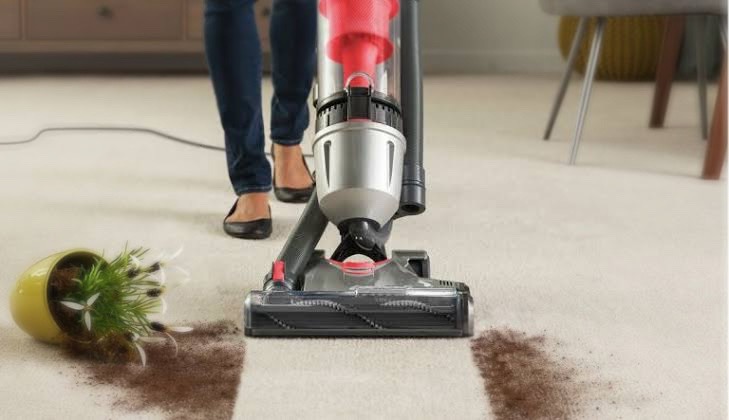
Power head extraction tool, removes loose contaminants and pet hair

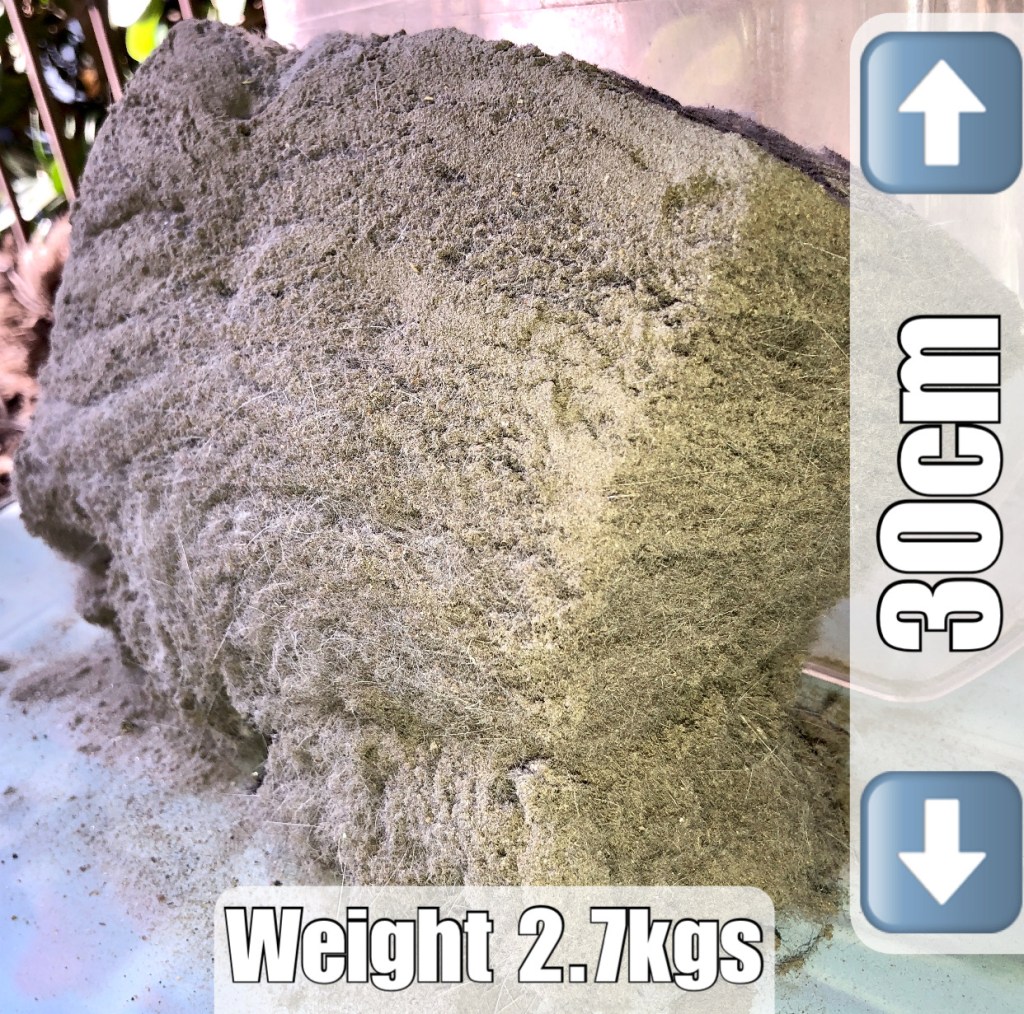
Dry vacuuming using a domestic or commercial grade vacuum, preferably with a power head designed to beat the fibres removing human or pet hair, dead skin cells, dust mites and eggs, dust, pollen and loose debris. Ideally this should be done bi-weekly and can be achieved by owner or best by a professional.

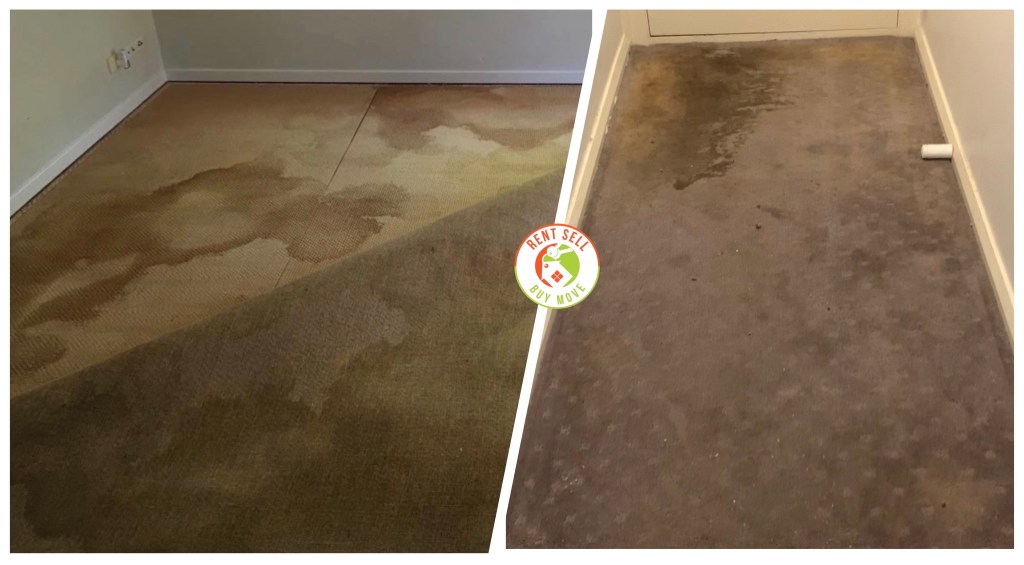
This was in one lounge room, client has a cat and dog

2: (VLM) Very Low Moisture

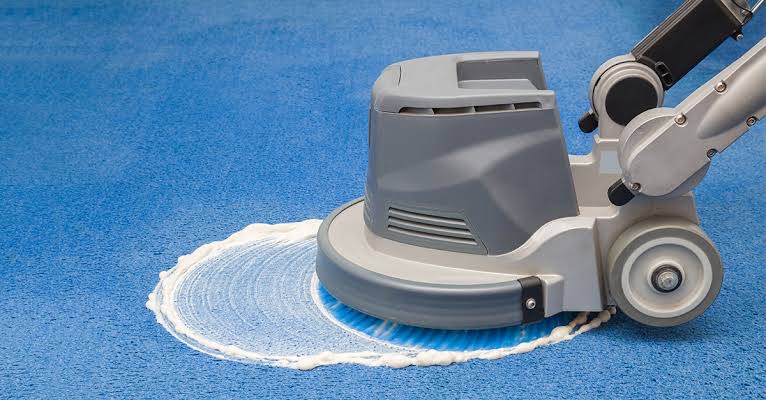
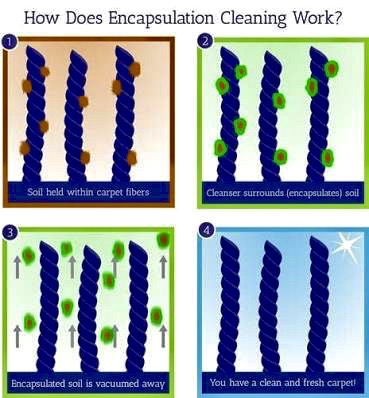
Encapsulation very low moisture cleaning

Encapsulation Process

(VLM) commonly known as dry cleaning either uses a shampoo or as we recommend Encapsulation Solution by applying a liquid solution that has a crystallising polymer with mechanical agitation. Simply this method attracts and encapsulates dirt in a crystal bead that makes dirt easy to remove. 

The process of encapsulation cleaning

Advantages: It dries really quickly allowing use often within 60-90 minutes, perfect drying before children come home from school or last minute guests arrive.

Suitability: For light to medium soiled fibres. Perfect for wool, nylon, silk, sisal and polypropylene fabrics. With our premium product it also contains antibacterial agents and a mild fabric protector.

3: (HWE) Hot Water Extraction

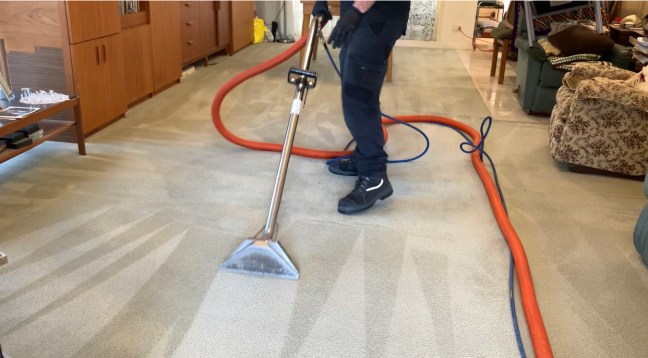
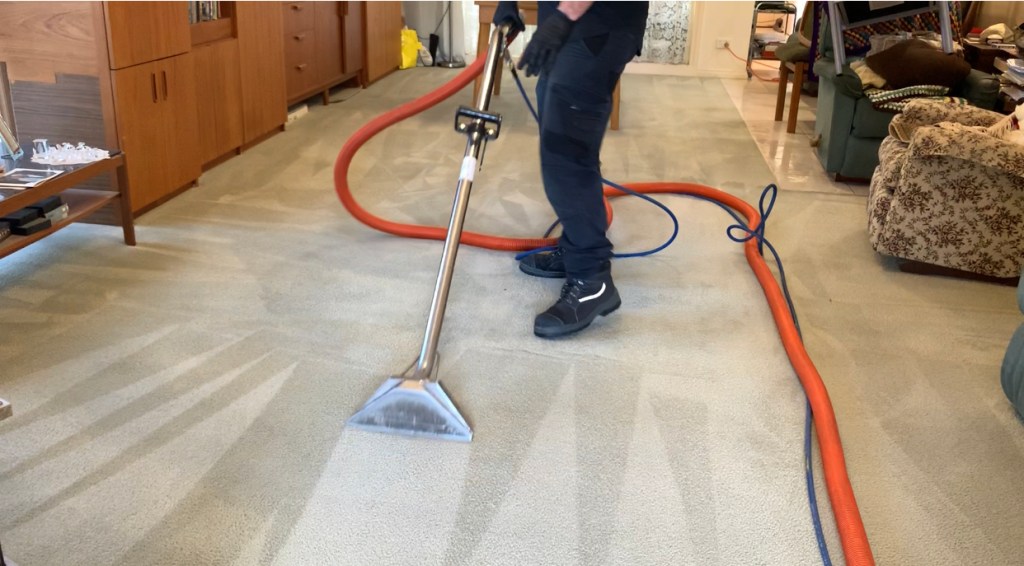
Hot water extraction using an carpet extraction wand

Hot Water Extraction Wand

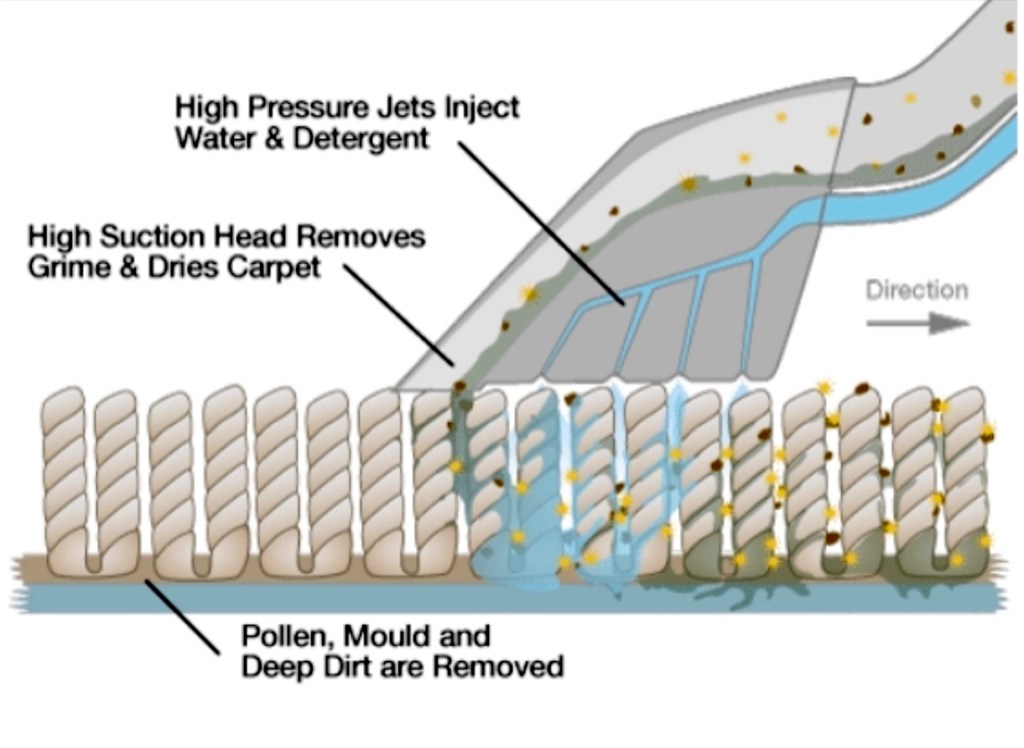
(HWE) commonly known as steam cleaning is the process of using warm to hot water to extract pre-spray cleaning solution along with dislodged and dissolved dirt and contaminants. 

Advantages: It is the deepest most restorative clean, fibres have that fresh and clean feeling just like bed sheets after they have come off the clothes line.

Suitability: Deepest clean removing odours, body oils, spilled liquids, surface contaminants and topical stains. Perfect for wool, nylon, carpet tiles and polypropylene fibres. 

The Process of Hot Water Extraction

Health & Wellness: Full Spa Restoration service is what we recommend if you are health focused. This is an absolute must as it removes the most contaminants both bacterial and surface of any restorative clean.

The cleanliness scale

So how do I know which service to pick? Well we’ve provided a simple scale from 1 to 10 that’ll help you evaluate where you sit.

Simply select the cleanliness levels your carpets are currently at.

Levels 1 to 4

If you feel your carpet sits between 1 to 4 then you can choose between VLM Encapsulation Cleaning or HWE Espresso Steam Cleaning.

Levels 5 to 7

You require medium spa steam cleaning, this is best suited to medium soiling and some topical marks, it’ll also refresh the fibres.

Levels 8 to 10

You require  heavy spa deep cleaning, fibres are heavily soiled and require deep penetrating cleaning, often requires anti bacterial treatments and neutralising solution.

Level 10+ 

You require a full restoration clean, typically this includes urine decontamination, vomit, faecal matter, removal of blood, penetrating odours and stain treatment where possible. It would require often the use of biocides to sanitise the fibre.

How do we charge for our work?

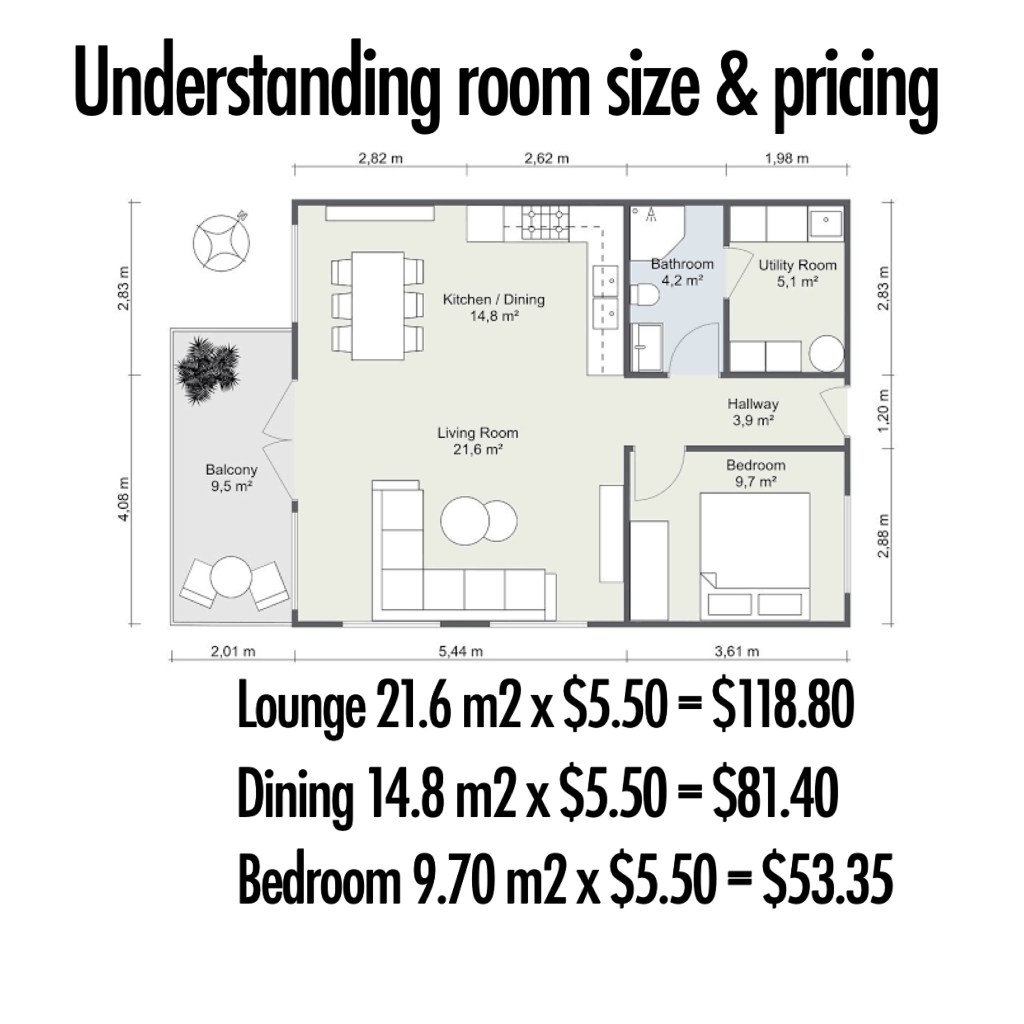
Square meterage: We use what the industry calls square meterage to begin with, in essence 1 meter wide X 1 meter wide is the equivalent of square meter, we measure the carpeted length and width of each room then calculate the total area measurements.

Example: You may have a lounge that measures 21.6 meters square. We then use a dollar amount say $5.50 X 21.6 m2 the grand total is $118.80

Room Dimensions Guide 

EXAMPLE ONLY
We use the M2 x Dollar amount to calculate the price

I’ve heard of carpet fibre protection, is it a con job?

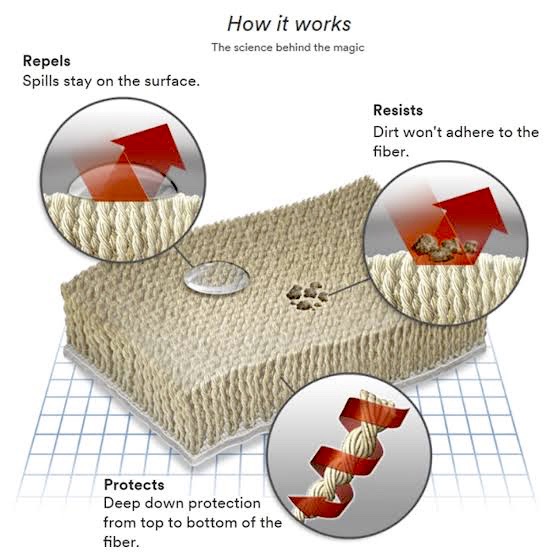
Fibre protection is applied on most new furnishings and indeed carpets by the manufacturers, the reason is it helps protect and enhance fabrics and fibres through the warranty period, so yes it works.

7 Things You Didn’t Know About Fibre Protector 

1: Protects most fibres

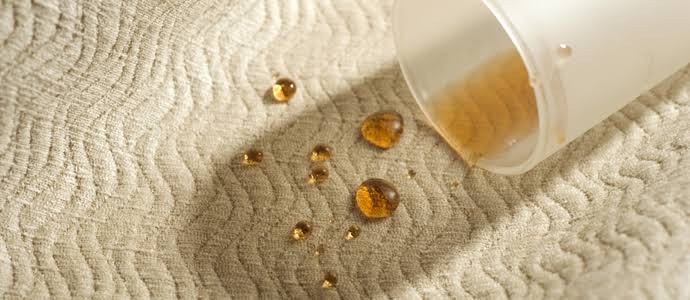
Fibre protector actively resists soiling and liquids

2: Penetrates deep into fibres to protect the fibres from base to the top

3: Provides active barrier against the abrasion of dirt and dust particles, increasing fabric longevity

4: Contains ultra violet inhibitors to reduce fibre fading from indirect U.V exposure

5: Vacuuming dirt, dust, pollen and allergens becomes easier because the protector resists soiling

6: The protector resists liquids giving time to pat it dry

7: Water based formula, non silicone and non toxic

What’s the next step?

Now that you understand why you need carpet cleaning and what it actually is, you can determine the level of cleaning required. 

Simply call or email for a free carpet condition audit and simply book a date and time to fresh and clean beginning 

Peter Karaoglanis

Peter is a principal presentation technician and strategist with 30 years of training, he’s an educationalist to the multi national companies, international embassies, health institutions and domestic clients. 

He can be contacted for a free audit or consultation on 0413656994 or peter.k@jimscleaning.net.au 

WHY DO I NEED UPHOLSTERY CLEANING & WHAT IS IT ANYWAY?

Why have you decided to enquire about upholstery cleaning?

Everyone has a reason to contemplate upholstery cleaning, for some the reasons may be vague and for others theres often a pressing reason or they know exactly why. Either way we all begin with the same sorta questions, it’s usually “How much” and most often you’ll get a quote and compare it to others and make a decision often on price.

Why did I ask for a quote anyway?

The answer is simple, you didn’t know what else to ask for. You see we are accustom to asking price and that happens because we are vague on our reasons or we lack information and understanding.

The truth is most cleaners aren’t professionally trained and don’t know how to help educate clients on the science of cleaning, think about that for a moment.

“don’t know how to help educate clients on the science of cleaning

Understanding your why?

Theres no point getting a quote if you don’t know your why. So lets begin with your cleaning needs and see what resonates.

🔺 Regular clean 🔺 Spruce up 🔺 Getting soiled 🔺 Filthy 🔺 Smelly 🔺 Hubby messes 🔺 Kids messes 🔺 Pet messes 🔺 Mother in-law coming to stay🔺 Embarrassing 🔺 Baby arriving 🔺 Baby vomit or milk 🔺 Urine from baby, cat or dog 🔺 Cooking or pet odours 🔺 Allergies 🔺 Spring clean 🔺 Purchased second hand furniture 🔺 Want that fresh and clean feeling 🔺 Want to keep a long time 🔺 Selling furniture 🔺 Office furniture needs refresh 🔺 CEO is coming and we’re in trouble 🔺 Need promotion

These are the most common reasons people want their upholstery cleaned and if you resonate with one or a bunch of reasons then it makes understanding the reasons and process so much easier.

So lets begin with…

What is upholstery?

Upholstery is something we literally come in contact with everyday, it’s the fabric and padding that covers your furniture including- sofa’s, arm chairs, ottomans, stools, dining chairs, office furnishings, curtains and anything that’s covered in material.

How is upholstery cleaned?

There are 3 methods to clean upholstery

1: Dry Vacuuming

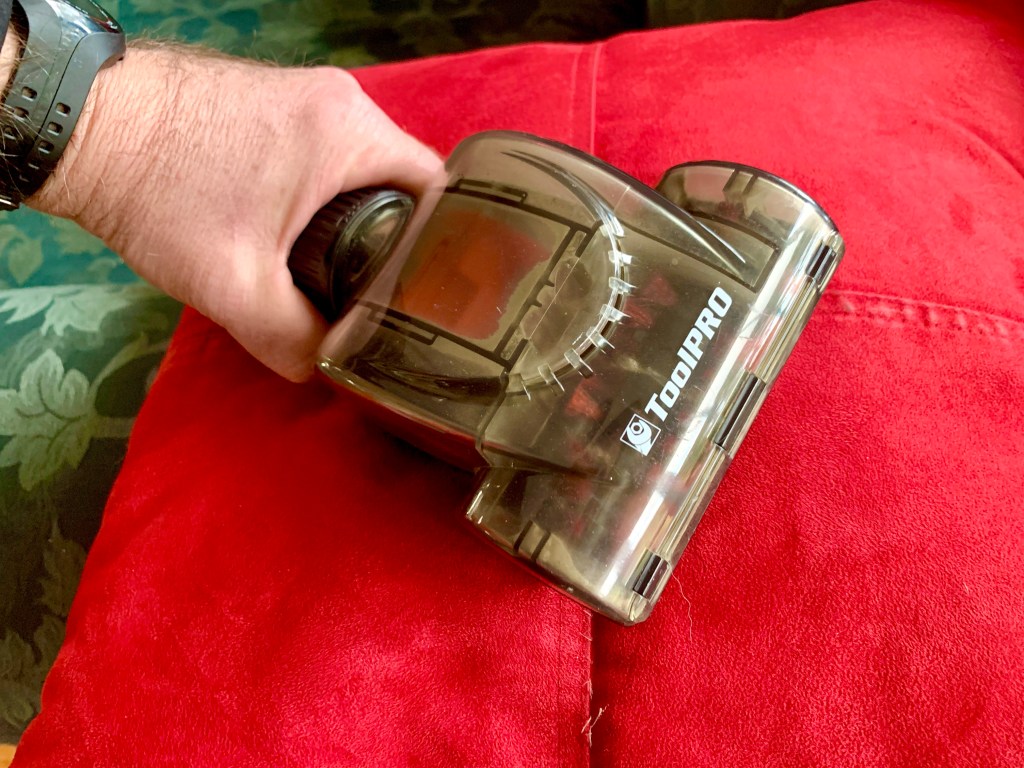
Power head extraction tool, removes loose contaminants and pet hair

Dry vacuuming using a domestic or commercial grade vacuum, preferably with a power head designed to beat the fibres removing human or pet hair, dead skin cells, dust mites and eggs, dust, pollen and loose debris. Ideally this should be done weekly and can be achieved by owner or professional.

2: (VLM) Very Low Moisture

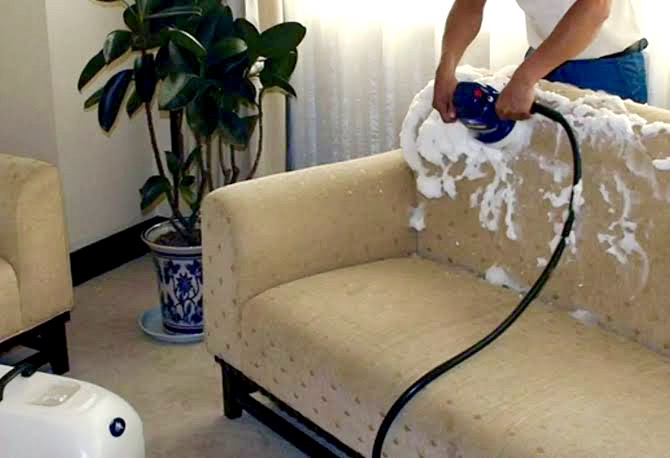
Encapsulation very low moisture cleaning

(VLM) commonly known as dry cleaning either uses a shampoo or as we recommend Encapsulation Solution by applying a liquid solution that has a crystallising polymer with mechanical agitation. Simply this method attracts and encapsulates dirt in a crystal bead that makes dirt easy to remove.

Advantages: It dries really quickly allowing use often with 60 minutes, perfect drying before children come home from school or last minute guests arrive.

Suitability: For light to medium soiled fabrics. Perfect for wool, nylon, silk, faux suede and polypropylene fabrics. With our premium product it also contains antibacterial agents and a mild fabric protector.

3: (HWE) Hot Water Extraction

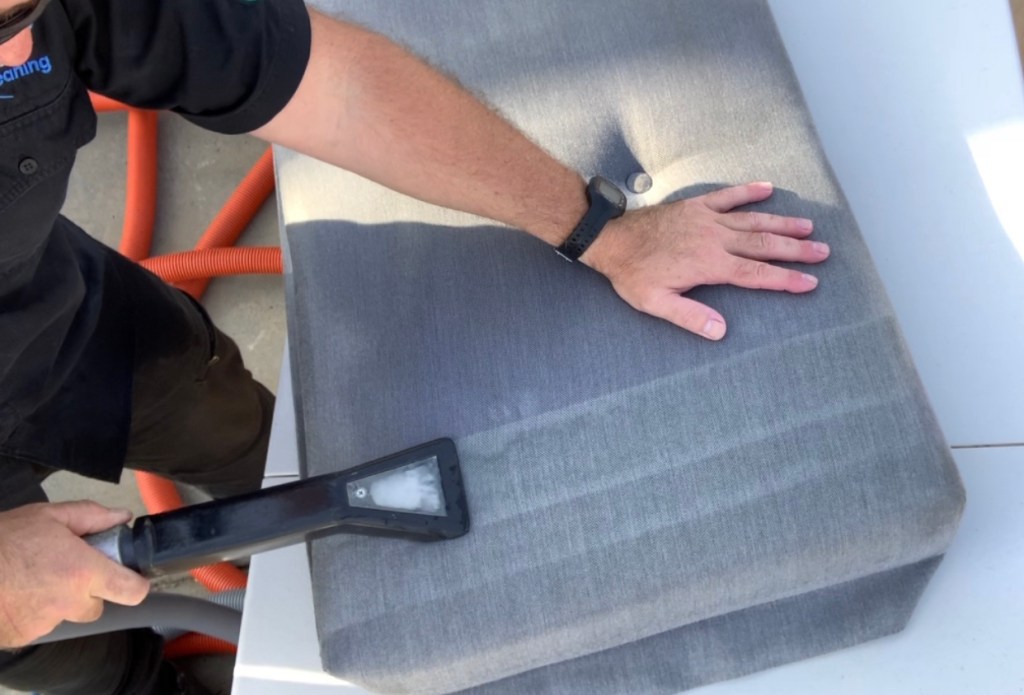
Hot water extraction using an upholstery tool

(HWE) commonly known as steam cleaning is the process of using warm to hot water to extract pre-spray cleaning solution along with dislodged and dissolved dirt and contaminants.

Advantages: It is the deepest most restorative clean, fibres have that fresh and clean feeling just like bed sheets after they have come off the clothes line.

Suitability: Deepest clean removing odours, body oils, spilled liquids, surface contaminants and topical stains. Perfect for wool, nylon, silk, faux suede and polypropylene fabrics.

Health & Wellness: Full Spa Restoration service is what we recommend if you are health focused. This is an absolute must as it removes the most contaminants both bacterial and surface of any restorative clean.

The cleanliness scale

So how do I know which service to pick? Well we’ve provided a simple scale from clean to 10 that’ll help you evaluate where you sit.

Simply select the cleanliness levels your upholstery are currently at.

Levels 1 to 4

If you feel your upholstery sits between 1 to 4 then you can choose between VLM Encapsulation Cleaning or HWE Espresso Steam Cleaning.

Levels 5 to 7

You require medium spa steam cleaning, this is best suited to medium soiling and some topical marks, it’ll also refresh the fibres.

Levels 8 to 10

You require heavy spa deep cleaning, fibres are heavily soiled and require deep penetrating cleaning, often requires anti bacterial treatments and neutralising solution.

Level 10+

You require a full restoration clean, typically this includes urine decontamination, vomit, faecal matter, removal of blood, penetrating odours and stain treatment where possible. It would require often the use of biocides to sanitise the fabric.

How do we charge for our work?

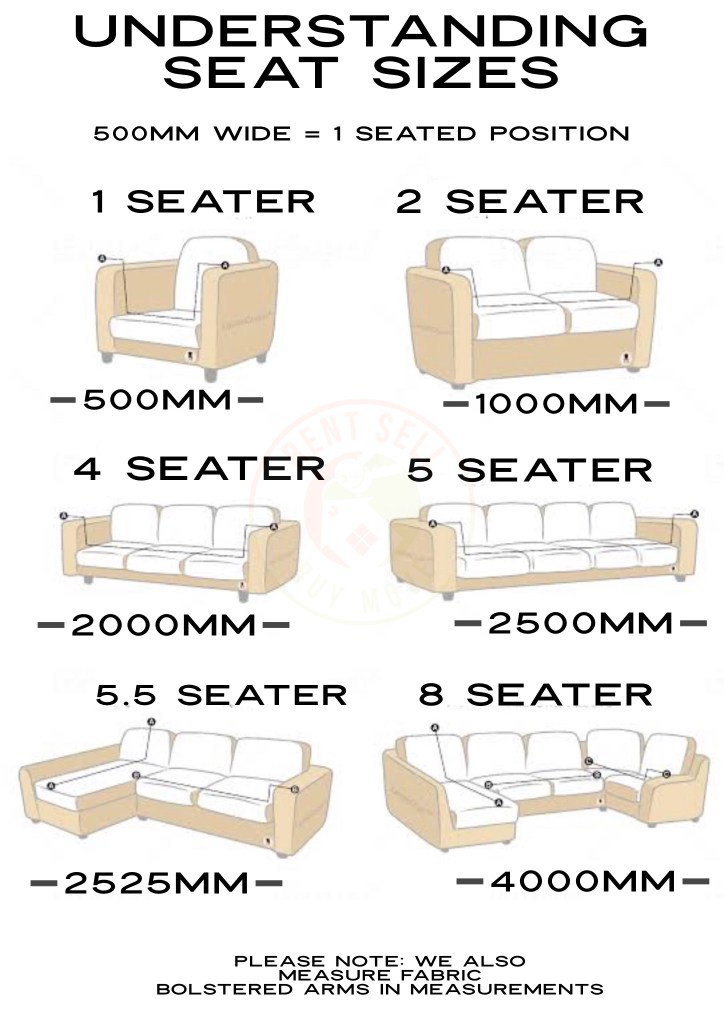
Seating Positions: We use what the industry calls seated positions to begin with, in essence 500 millimeters wide is the equivalent of 1 seated position, however some cushions can be 750mm wide and thats equal to 1.5 seated positions.

Example: You may have a lounge with 2 cushions, they may measure 150mm wide and thats the equivalent of 3 seated positions. If the arms of the lounge has fabric on them we measure those as well.

Seating Dimensions Guide

I’ve heard of fabric protection, is it a con job?

Fabric protection is applied on most new furnishings and indeed carpets by the manufacturers, the reason is it helps protect and enhance fabrics and fibres through the warranty period, so yes it works.

7 Things You Didn’t Know About Fabric Protector

1: Protects most fabrics

Fabric protector actively resists soiling and liquids

2: Penetrates deep into fibres to protect the fabric from inside out

3: Provides active barrier against the abrasion of dirt and dust particles, increasing fabric longevity

4: Contains ultra violet inhibitors to reduce fabric fading from indirect U.V exposure

5: Vacuuming dirt, dust, pollen and allergens becomes easier because the protector resists soiling

6: The protector resists liquids giving time to pat it dry

7: Water based formula, non silicone and non toxic

What’s the next step?

Now that you understand why you need upholstery cleaning and what it actually is, you can determine the level of cleaning required.

Simply call or email for a free fabric condition audit and simply book a date and time to fresh and clean beginning

Peter is a principal presentation technician and strategist with 30 years of training, he’s an educationalist to the multi national companies, international embassies, health institutions and domestic clients.

He can be contacted for a free audit or consultation on 0413656994 or peter.k@jimscleaning.net.au

Peter Karaoglanis

COMPASSION IN MY TOOLBOX

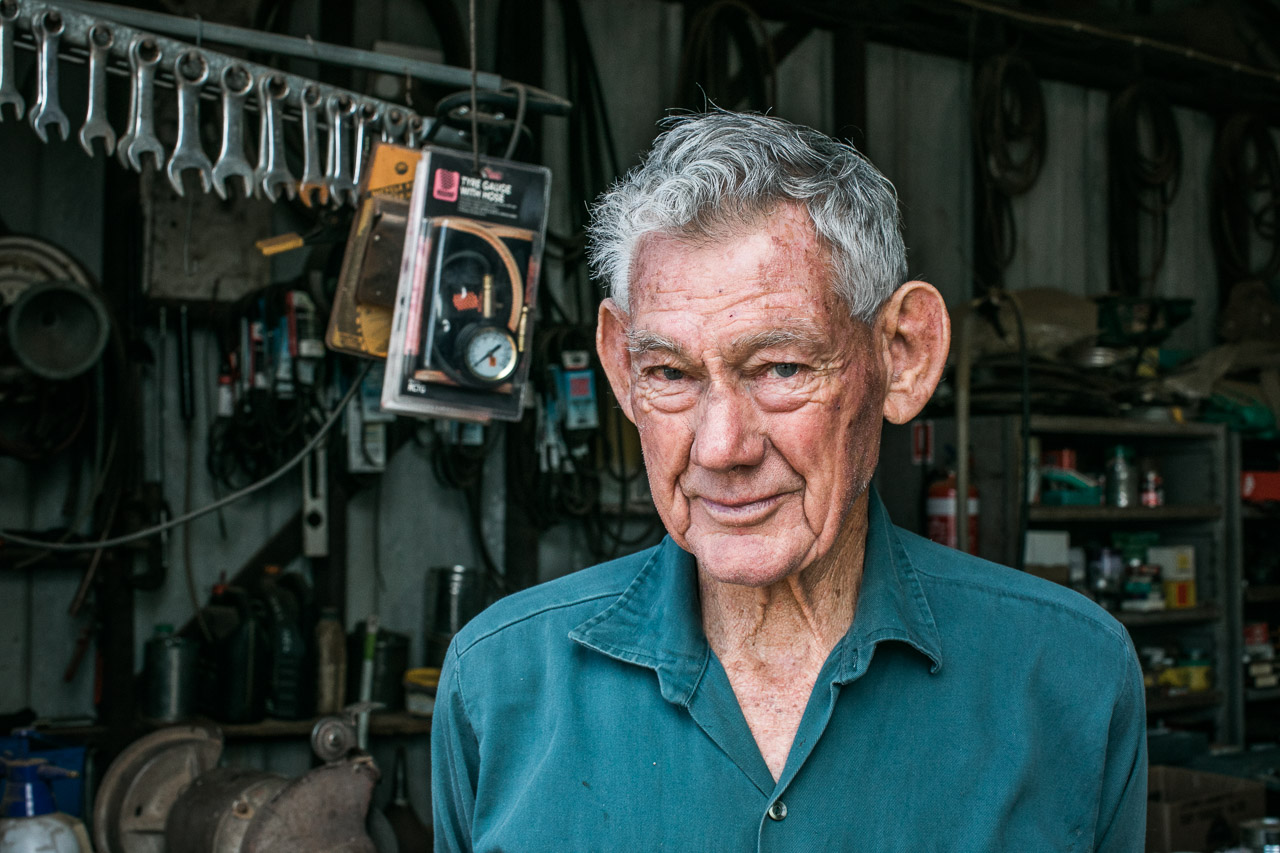
At the age of 16 I started an apprenticeship as a motor mechanic, it was a dream come true for me as I was a car enthusiast and really enjoyed motor racing. The beginning of success for me was being Masters Apprenticed under an old timer called Les Spilsbury, he was well in his 60’s and had started his trade in the late 1930’s. He was a great teacher and I lapped it up, he taught me the keys to succeeding.


8 SIMPLE LITTLE STEPS

1: Learn the clients name and use it.
2: Ask lots of relevant specific questions.
3: Listen to what they say and be interested.
4: Repeat what they say and nod in agreement to get confirmation.
5: Be observant of them and their vehicle.
6: Get permission to help them by making suggestions and solving their problems.

The 2 final and most important principals of all

7: Have a toolbox with ALL the right tools and SELECT the right tool to do the job properly.
8: Repeat all the above time and again.

These became life lessons for me, I often imagined Les Spilsbury, IMG_0211 2as a kindly faced Santa Clause with warmth and great wisdom. This became part of who I am today. I grew up in a family that served others.  As a teenager, our house was a drop in for my mates, and as time went on, my parents helped many people whos lives were in dissaray or looking for solace and purpose in their lives.
My Mum and Dad took time to know people and serve, they shared their faith through hospitatlity and compassion. They both had succesful careers because their personal and professional life reflected their values.

For me business begins in the common places and common courtesy is the key to someone’s mind and heart. I’m intentional about how I speak to people on the telephone or personal interactions. I’ve had various businesses for 28 years to which I’m quite good. People have said my ability to be at ease and share professionally with people comes from my sales training, but I believe my ability to be at ease with people and sell is because my personal and professional life are aligned.

I enjoy and really like people I just ask general questions about their life whether that be about their favourite sports team, occupation, the weather, movies etc. If I meet people in shops or in their homes or work places I pay attention to what their wearing or reading. What’s on their walls or book shelves gives me clues to what they value most.
I always glance for books or other  paraphernalia as a clue to their upbringing or passions.

Over the years I’ve had the privilege of sharing professionaly and personally with men and women about their lives, often amusing, at times searching for meaning, sometimes distressing.

People tell me their life stories or dreams often within minutes of meeting them; I just smile, listen and ask thoughtful directed questions. I silently listen and enquire of their thoughts, talking about the value of wisdom and direction, more often than not a question is asked or an observation is made that strikes gold.
A flood of emotion or a realisation is made by them about their lives, which leads to them now asking me questions about the source of my understanding or wisdom.

I’m very careful here and I don’t answer every question, if people are hungry they will search. I’m not their guru or sage, knowledge and wisdom first comes from searching or enquiring, rarely is it served up on a plate like supernatural dessert.

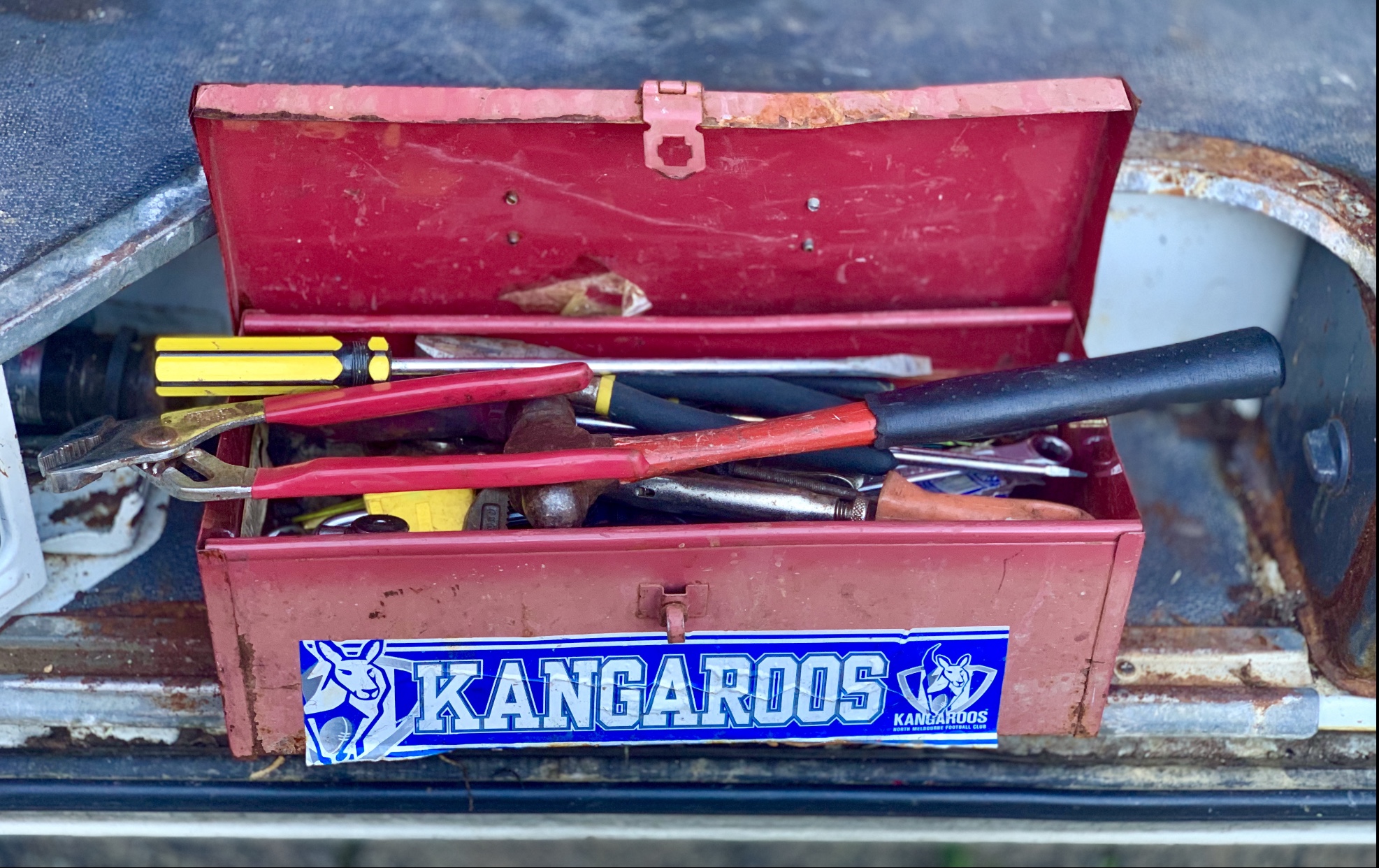
You see today I still have a toolbox but this toolbox has different tools, it has the good book, it has my prayers, it has questions, it has access to counsellors, it has compassion, it has non judgementilism, it has a family, it has coffee and tea, it has health foods, it has invitations to lunch with my family, but most of all I have COMPASSION in my toolbox.

I strongly beleive to be truly succesful in business and life you’ve gotta love people, because if you don’t love people you’ll only do things for money or personal gain, and if that’s all you desire you’ll lie, cheat and steal to get it.

The question I have for you is…

WHAT’S IN YOUR TOOLBOX?

IMG_0232 2.jpg

Photo by Pixabay on Pexels.com

WHY CUSTOMER COMPLAINTS ARE GOOD NEWS

We’ve all experienced that sense of dread when a client either calls, emails or embarrassingly confronts us in person to complain. Worse still, is if they’re highly agitated or downright enraged with the product or service provided.

Here are a few examples of what is often our immediate emotional response.

  1. Ignore the clients concerns
  2. Defend or justify ourselves
  3. Dismiss their complaint
  4. Respond in anger

So I’ll deal with each of these issues one at a time.

Ignore the clients concerns

Reactive

This generally happens when the complaint is received via email, text or voice message, by avoiding or ignoring the client it’s akin to saying the cheque is in the mail”, everyone knows it’s simply a delaying tactic.

Proactive

Acknowledge the client’s complaint either verbally or in written form, if it’s a complex issue or you can’t immediately deal with the complaint state your case, respond via email, phone call or book an appointment to meet them. Give a firm commitment to help them, set the time frame and stick to it.

Defend or justify ourselves

Reactive

We are emotionally invested in our jobs or businesses and when someone complains it often calls into question our process, integrity or professionalism, so we attempt to convince the client that their complaints are ill founded or plainly wrong.

Proactive

Seek to understand before being understood, it’s not just a cute saying rather a relational truism, take time to write down precisely what the client is saying and repeat it back to them. This demonstrates that you are acknowledging their perspective, in a considered manner respond to each of their issues one at a time. You have just moved from being an adversary to a partner in this situation.

Dismiss their complaint

Reactive

Generally we become dismissive if we feel the client is trying to take advantage of us or has manufactured a situation to get out of paying, wanting a refund or reducing the cost. Alternatively the client is overly fussy or didn’t pay attention to the services quoted on.

Proactive

Embrace the clients complaint rather than dismiss it, most clients are looking for a genuine resolution to the problem rather than a financial settlement, discover that tipping point in which they’ll become delighted with the services or goods provided, often just a little extra give on your behalf satiates the customers needs. I have experienced occasions when the client is vindictive and you’ll need to be wise as to how far you’re prepared to meet their needs or settle in their favour, a tactical retreat can save much emotional, financial and professional expenditure.

Respond in anger

Reactive

Either an immediate response or act of frustration, normally in proportion to the person you feel is harassing you or being outright belligerent. They‘ve managed to get under your skin and it’s time to share a few home truths.

Proactive

Meeting fire with fire simply ignites an inferno, take control of the situation by letting the client know you’re prepared to hear their complaints, then set the parameters on how that happens. When they know you’re genuine it often takes heat out of the situation.

Interestingly people often go on the attack because they believe and often with experience they won’t be heard.

Remember he who asks the questions controls the conversation.

Why no complaints are bad news

For every 26 unhappy customers, only one will lodge a formal complaint. What’s most alarming is a finding that an average of 1,560 people will hear about at least one of these unhappy customer interactions

Unbelievably 1 unhappy customer will tell 10 people, who in turn will tell 5 others.  Research by US firm TARP http://www.tarp.com

Why customer complaints are good news

Our complaints department is also our quality control department, my staff have heard me say this numerous times, when a customer complains they are in fact unintentionally telling you how to succeed.

Here are a few examples

  1.    Poor communication
  2.    Substandard services or workmanship
  3.    Cost of services
  4.    Ambiguous or confusing information
  5.    Weak business systems
  6.    Bad presentation, either staff grooming or marketing

These are but a common sample of the issues faced daily by professionals and businesses alike, we will deal with these complaints in another blog.

By embracing the complaint process and making it a central part of business building, you’ll reduce emotional stress.

Be sure of this, whilst your competitors are avoiding their problems and ignoring customer complaints you’re turning yours into goodwill and customer referrals.

IMG_4785

TRUST – THE MOST VALUABLE OF CURRENCY Peter Karaoglanis

I had an amazing experience today with a long term retail client, Lisa is a wonderful person whose highly articulate, outgoing but very shrewd. She has an exacting eye for detail and a capacity to understand information which suits me to a T.

As Lisa and I were discussing some restoration and service requirements her little daughter was dancing around and politely engaging in conversation. I high fived Verity as we chatted and discovered her favourite colour was pink, she knew that one particular shade was called fuscia.

So what has this got to do with TRUST? A loving mother is more discerning than than any entrepreneur, religious leader or a head of state. Mothers have a sixth sense or an instinct that perceives a person’s trustworthiness.
Verity was at ease in my company because Lisa was her source of safety and refuge, her whole world relies on the trust she has in her mother.

The dictionary defines the word trust this way.
reliance on the integrity, strength, ability, surety, etc., of a person or thing; confidence ; hope.

Transactional V’s Trust Business

Trust is the currency of relationships not exchanges of money or services, if that all it was about then businesses would consist of no more than vending machines and ATM’S. I don’t have favourite vending machines but I do have favourite shops based on the relationships I have with the staff.

A transactional business is not concerned about long term relationships it is focused only on net income and new leads to drive growth, the transactional business owner is less focused on quality and more on quantity, relationships exist to propel the business forward.

Trust however propels us forward to higher service levels and more accountability, not because of competition or market forces, rather an innate desire to honour the relationships we have developed. We first serve and in doing so we receive, trust is the bow that ties our relationships together.


 Pretty as a picture

So what inspired this blog? A little girls hand drawn picture. You see little Verity came up to me and said Peter I have a picture for you, guys don’t cry; EVER. But my eyeballs wanted to sweat, profusely.

She trusted me and because of that this young lady drew me a beautiful picture, I looked at her mum and was almost lost for words.

Yes I was paid well by my client for excellent service, but only my bank statement will be evidence of the transaction, but this beautiful drawing is testament to the world of trust. 

Peter Karaoglanis